
Business
ScaleFlux Deploys Next-Generation Storage Controllers to Eliminate Memory Bottlenecks in Silicon Valley AI Clusters
PCIe Gen 5 computational storage hardware delivers hardware-level decompression and reduces distributed model training latency
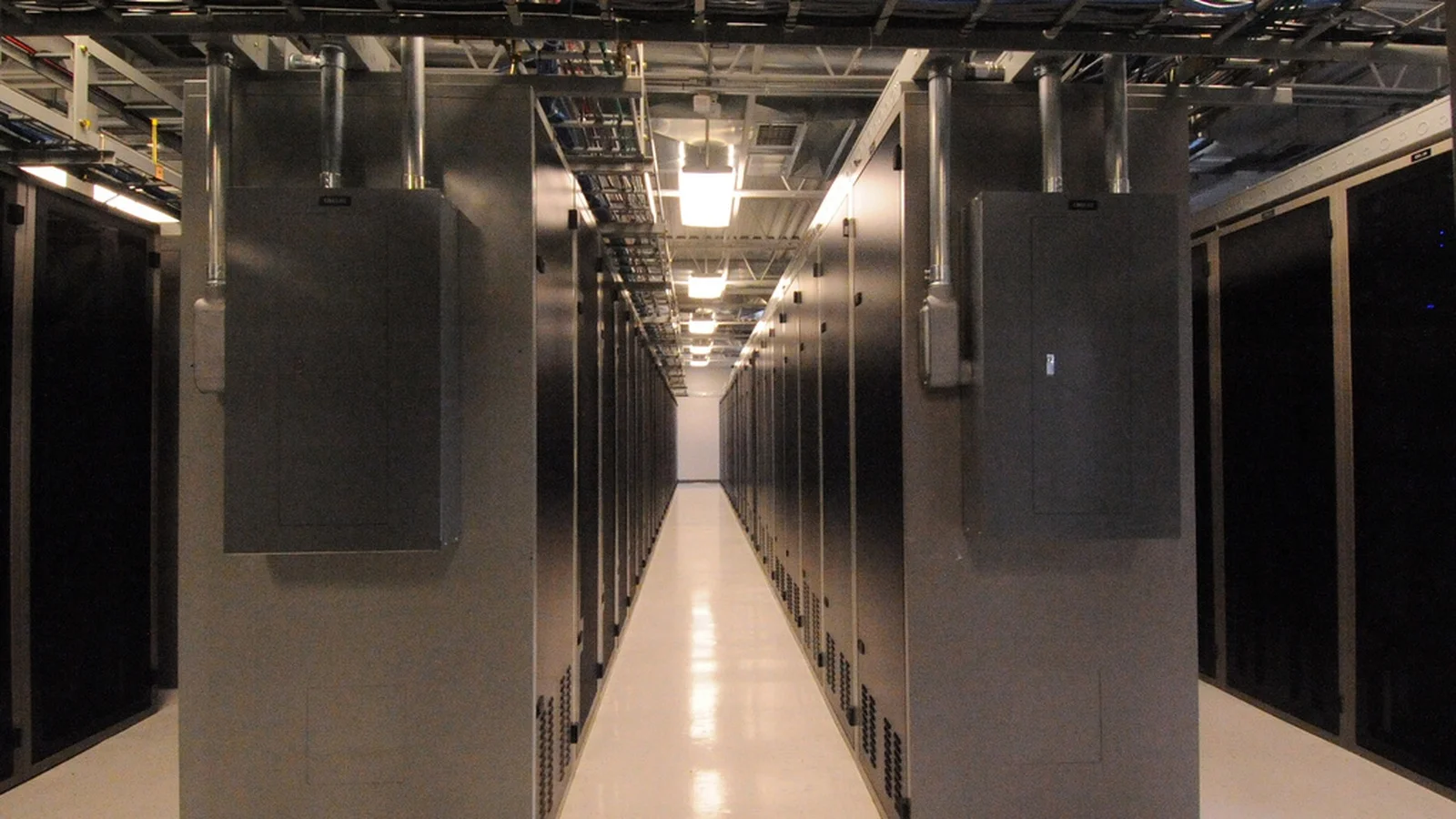
Silicon Valley semiconductor innovator ScaleFlux officially announced commercial availability for its next-generation computational storage drive controllers on Wednesday, targeting the critical input-output bottleneck that constrains distributed artificial intelligence training clusters. The specialized processor chips integrate directly onto enterprise solid-state drives, offloading data decompression, hashing, and vector filtering workloads directly to flash storage controllers before network fabric serialization occurs.
Engineering benchmarks presented at the Open Compute Global Summit demonstrate that transferring compression chores away from host graphics processing units preserves valuable high-bandwidth memory while reducing input checkpointing latency by upwards of forty percent. By processing storage streams in parallel at the flash level, regional data center operators can sustain continuous model throughput without saturating expensive server central processing units or overwhelming intra-rack interconnect switches.
Regional technology boards, municipal utility district leadership, and datacenter infrastructure officials in San Jose and Fremont have identified memory bandwidth and power consumption as the principal barriers to scaling domestic deep learning installations. The deployment of computational storage architecture represents a fundamental pivot toward domain-specific accelerators, enabling corporate research facilities and commercial cloud providers to expand generative computing capacity within existing thermal design limitations.
Enterprise software architects and systems engineers across San Jose, Fremont, and the Tri-Valley noted that hardware-level flash integration dramatically simplifies database ingest pipelines for multi-modal foundational models. By shrinking physical storage footprints and cutting redundant memory transfers, hyperscale facilities can achieve superior computational density while lowering kilowatt consumption per training epoch along the crowded South Bay power grid.
The architectural advancement arrives as commercial datacenters face unprecedented municipal electrical substation constraints across Northern California, forcing facility directors to maximize computational density per square foot. Hardware engineering teams reported that offloading routine vector indexing and compression routines directly to storage silicon frees host memory buses, allowing artificial intelligence infrastructure operators to extract significantly higher utilization from existing accelerator clusters without commissioning costly power utility expansions.
ScaleFlux confirmed that volume qualification shipments have commenced for global cloud infrastructure partners and high-performance server original equipment manufacturers throughout Northern California. Software development kits featuring native Linux kernel drivers and optimized application programming interfaces are now available for enterprise evaluation, with commercial datacenter rollouts scheduled to scale through the first quarter of 2027.
Comments (0)
No comments yet. Be the first to share a thought on this story.