
Technology & AI
OpenAI Releases GPT-6 with Interactive Canvas UI and Deploys GPT-6 Astra Ultrafast on NVIDIA Blackwell
Frontier foundation model update introduces live generative user interface components while Blackwell GPU acceleration slashes real-time inference latency.
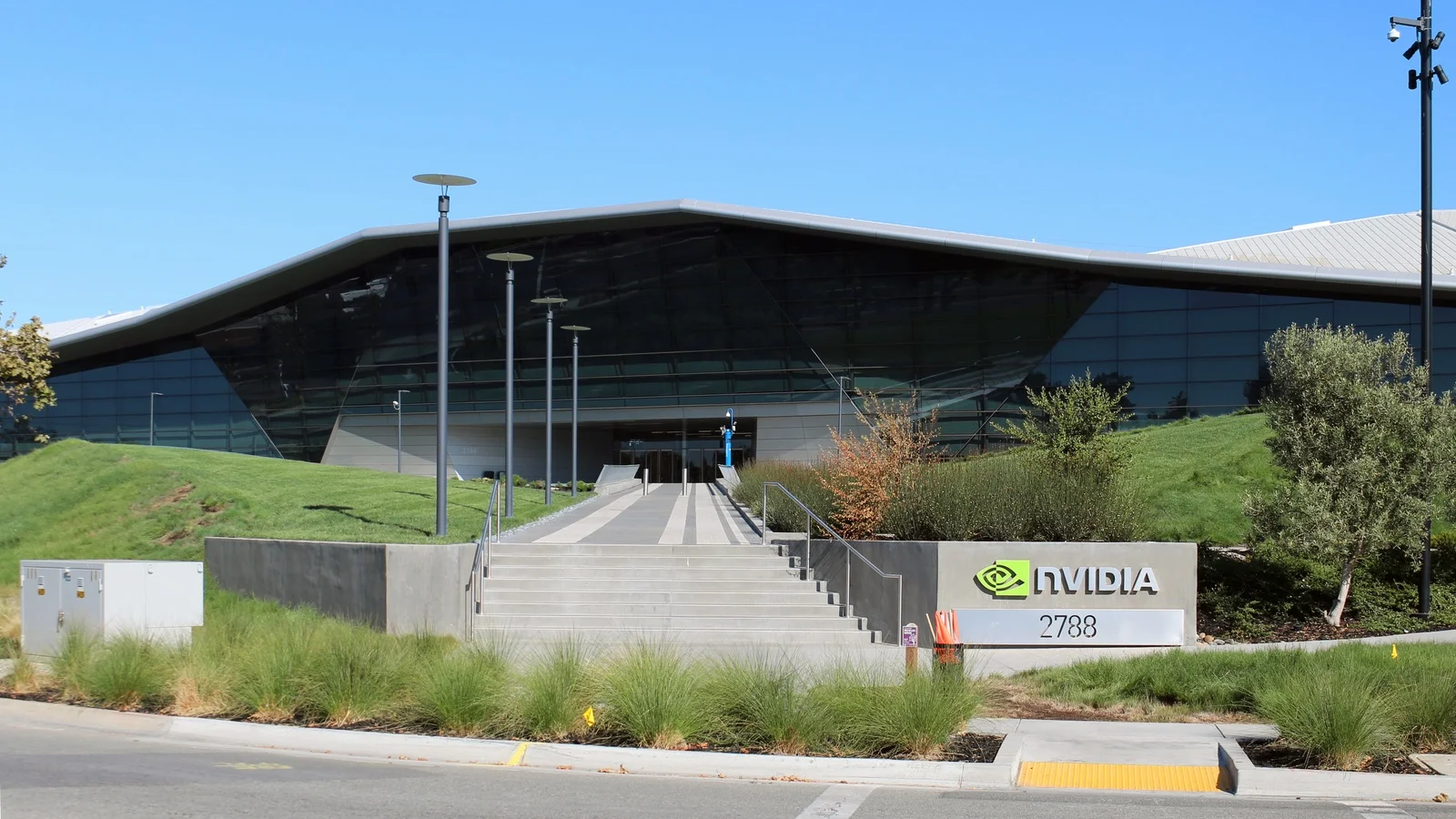
Artificial intelligence pioneer OpenAI launched its next-generation foundation model GPT-6 to more than 1.2 billion weekly active ChatGPT users on Thursday, debuting a breakthrough Intelligent UI capability that dynamically generates interactive web controls alongside text responses. Simultaneously, the company rolled out GPT-6 Astra Ultrafast across its enterprise developer platform, leveraging optimized NVIDIA Blackwell GPU clusters to achieve sub-fifty-millisecond response times. OpenAI research leaders demonstrated the model's interactive reasoning capabilities during a developer showcase in San Francisco.
The Intelligent UI engine enables the model to synthesize custom interactive charts, editable financial calculation tables, and drag-and-drop workflow canvases within the conversational stream. Rather than returning passive text explanations, GPT-6 constructs rendered components that allow users to simulate mortgage scenarios, manipulate vector diagrams, or adjust code parameters in real time. The underlying Astra architecture utilizes specialized sparse attention kernels compiled specifically for Blackwell tensor cores, quadrupling token generation velocity while maintaining deep chain-of-thought accuracy for enterprise clients.
Software designers and product builders throughout the Bay Area tech corridor expressed enthusiasm for the generative user interface paradigm, predicting it will reshape consumer software expectations across California. Educational technologists pointed out that interactive visualization tools help high school and university students intuitively grasp difficult calculus and chemical reaction mechanisms far better than static paragraphs. Enterprise developers noted that low-latency API access allows businesses to deploy multi-turn customer support agents that feel instantaneous.
The state technology advisory council and consumer protection specialists commended OpenAI for incorporating client-side sandbox isolation to prevent dynamic code injection vulnerabilities. Product managers highlighted that all user-facing interactive widgets undergo automated static validation before rendering in the browser environment. The company emphasized that safety filters for teens and sensitive financial guidance remain enforced across all dynamically assembled canvas components under oversight guidelines established with educational authorities.
Developers and enterprise subscribers can access comprehensive API integration guides, token pricing structures, and Intelligent UI component libraries by visiting openai.com/gpt-6 or reviewing developer documentation at platform.openai.com. OpenAI confirmed that enterprise tier customers will receive full customization controls to style rendered UI components with bespoke corporate design tokens. Developer sandbox access opened worldwide immediately following the morning launch announcement.
Comments (0)
No comments yet. Be the first to share a thought on this story.