
News
NVIDIA Releases Vera Rubin Architecture Specifications to Open Compute Project to Combat AI Datacenter Power Grid Strains
Santa Clara semiconductor titan standardizes 800V direct-to-chip liquid cooling and modular interfaces for gigawatt-scale AI factories
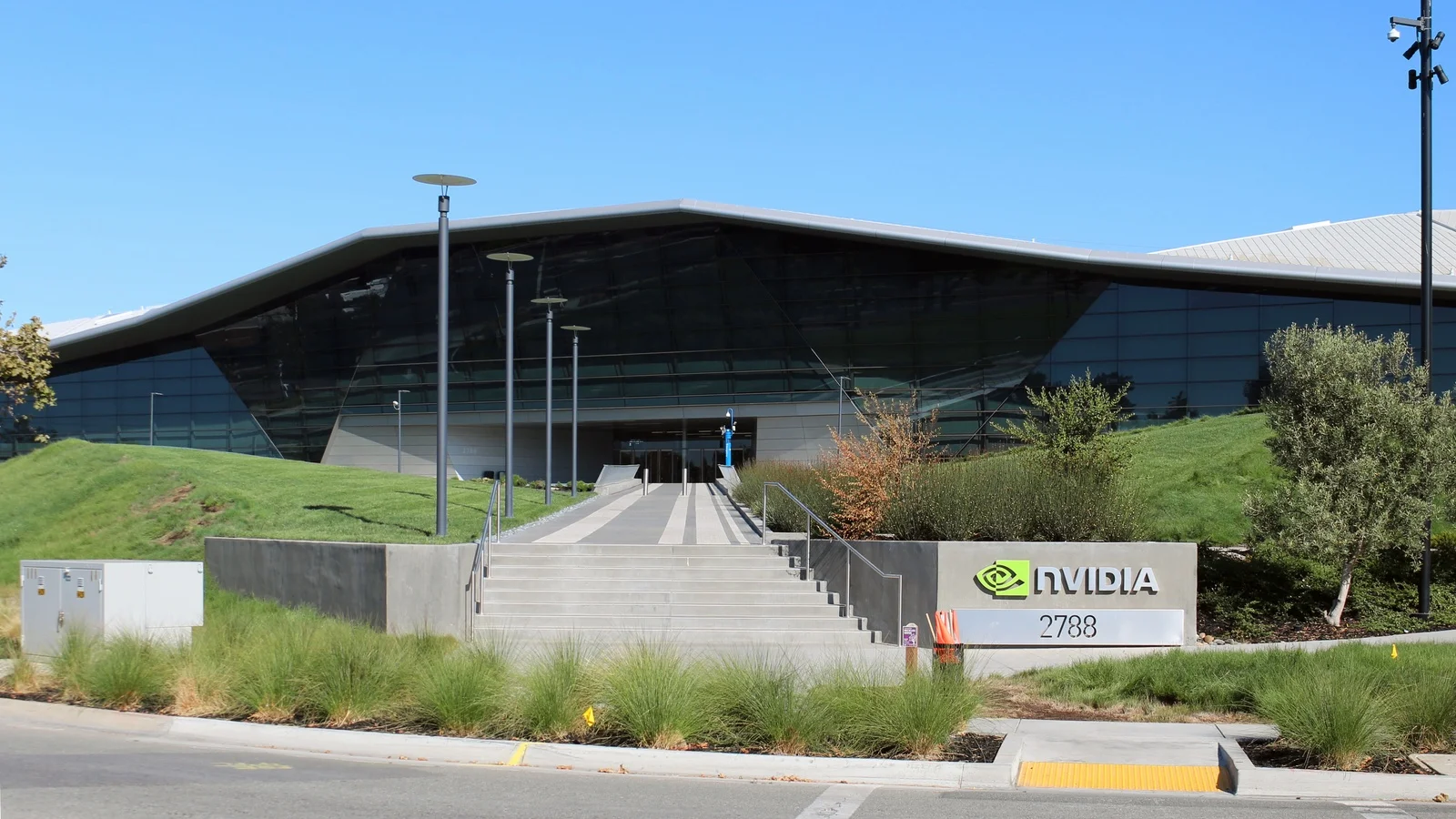
Santa Clara semiconductor pioneer NVIDIA announced the broad release of architectural specifications for its next-generation Vera Rubin computing platform on Wednesday at the Open Compute Global Summit, standardizing liquid cooling manifolds and high-voltage power distribution across global enterprise datacenters. The open hardware specifications provide hyperscale infrastructure builders with standardized blueprints for direct-to-chip 800-volt liquid cooling loops designed to mitigate severe electrical grid constraints.
The engineering milestone arrives as commercial datacenter developers across Northern California grapple with municipal electrical substation delays and stringent thermal dissipation thresholds. By standardizing power distribution architectures and coolant bus connectors across commercial server chassis, the initiative enables regional datacenter operators to deploy dense artificial intelligence accelerator clusters without redesigning facility power feeds from scratch.
Regional utility district leadership, municipal infrastructure directors, and hardware engineering committees in San Jose and Santa Clara welcomed the standardized thermal framework as a crucial step toward grid stability. Energy analysts noted that unstandardized cooling configurations have historically generated substantial electrical inefficiencies, requiring municipal utilities to allocate disproportionate transmission capacity to commercial computing corridors along Silicon Valley expressways.
Enterprise systems architects across San Jose, Fremont, and the Tri-Valley emphasized that open interface standards dramatically accelerate deployment velocity for regional enterprise cloud infrastructure. Datacenter operators can now source interoperable power management modules, heat exchangers, and blind-mate liquid manifolds from multiple certified suppliers, eliminating single-vendor hardware supply chain dependencies during critical datacenter construction cycles.
Industrial thermal testing conducted across server manufacturing testbeds in Fremont demonstrated that the open liquid architecture reduces auxiliary facility cooling electricity demand by over thirty percent compared to conventional air-chilled server racks. By directly transferring heat away from dense accelerator silicon via closed-loop dielectric fluid lines, operators can sustain peak computational workloads without triggering municipal electrical brownout alerts. Facilities engineers reported that capturing high-grade reject heat via liquid loops also enables municipal district heating integration, providing secondary sustainability benefits for adjacent commercial campuses.
NVIDIA confirmed that complete mechanical computer-aided design files, electrical schematics, and thermal compliance testing suites are now openly accessible to certified Open Compute Project members worldwide. Volume manufacturing partnerships with global server original design manufacturers are already underway throughout the Bay Area, with initial Rubin platform installations scheduled for commercial commissioning in early 2027.
Comments (0)
No comments yet. Be the first to share a thought on this story.